

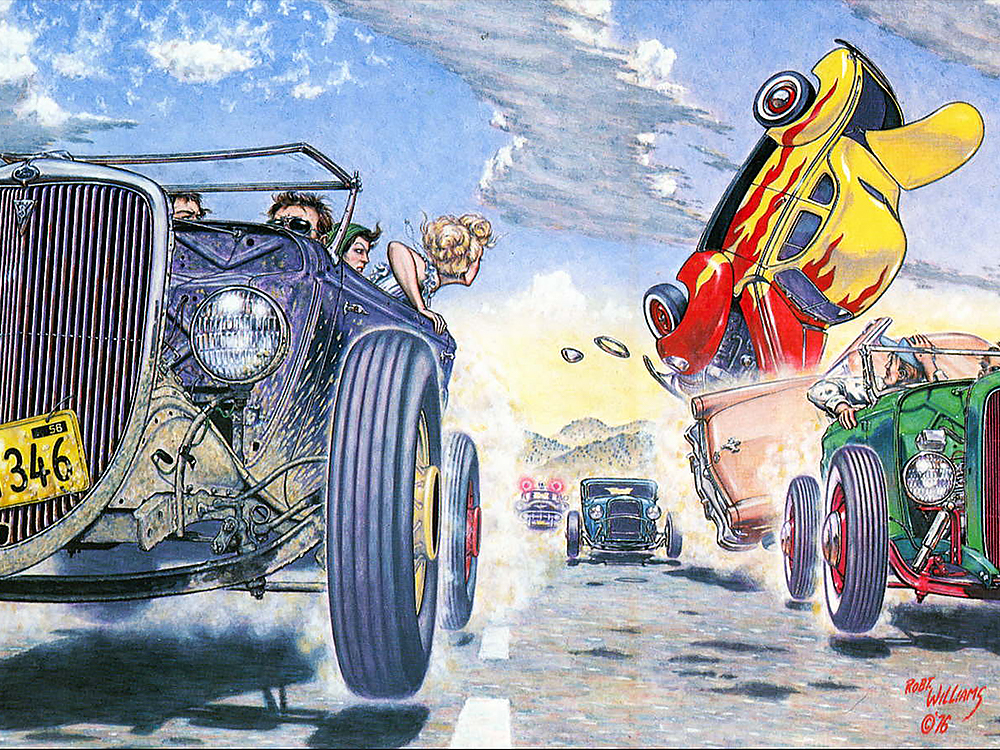
Let me tell you about the art movement that crashed the pop culture gallery party, then basically said “screw you” to the entire establishment, while clutching a hot rod magazine and a can of spray paint. Lowbrow art, also delightfully known as Pop Surrealism, emerged from the gritty streets of 1970s Los Angeles like a leather-jacketed phoenix rising from the ashes of pretentiousness. While the art world was busy intellectualizing blank canvases, artists like Robert Williams, often called the “godfather” of the movement, were painting psychedelic monsters riding choppers through candy-colored hellscapes. And frankly, we’re all better for it.

Robert Williams (2000)
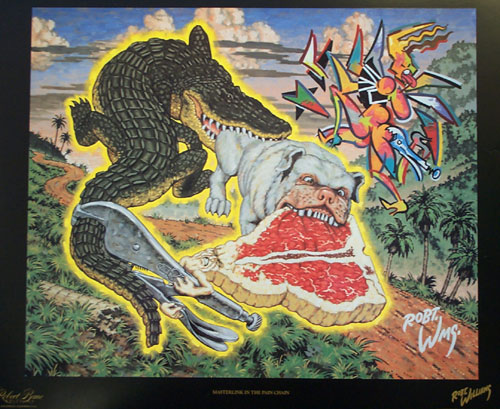
Underground Comix, Hot Rods, and Zero Apologies
Lowbrow didn’t emerge from prestigious art schools or wealthy patrons’ drawing rooms. It crawled out of underground comic books, surf culture, punk rock album covers, and tattoo parlors, all the places “serious” art critics wouldn’t be caught dead. Robert Williams literally coined the term “lowbrow” in 1979 for his magazine Juxtapoz, embracing the insult before anyone could weaponize it. These artists took inspiration from Ed “Big Daddy” Roth’s Rat Fink cartoons, circus sideshow posters, B-movies, and pin-up culture, creating a visual language that resonated with the weirdos, outcasts, and anyone who ever felt like art museums weren’t made for them.
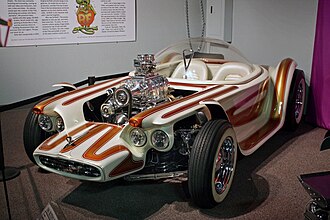
“It’s been called Lowbrow Art and Pop Surrealism and a bunch of different names, but it’s a feral art. It’s an art that raised itself in the wilderness.” —Robert Williams
Why Museums Finally Had to Pay Attention
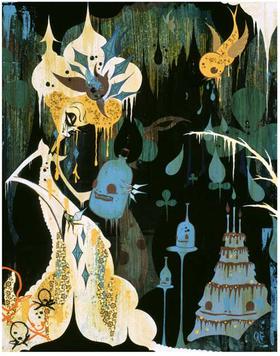
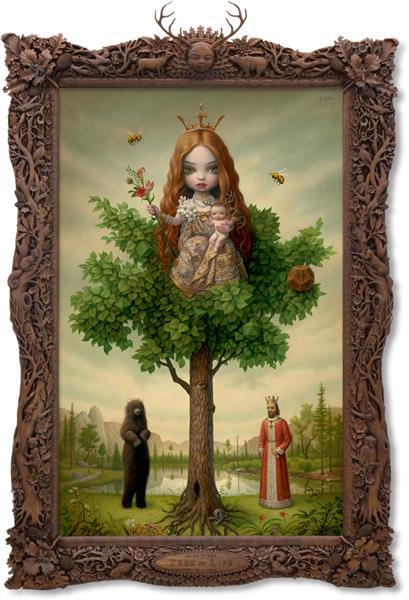
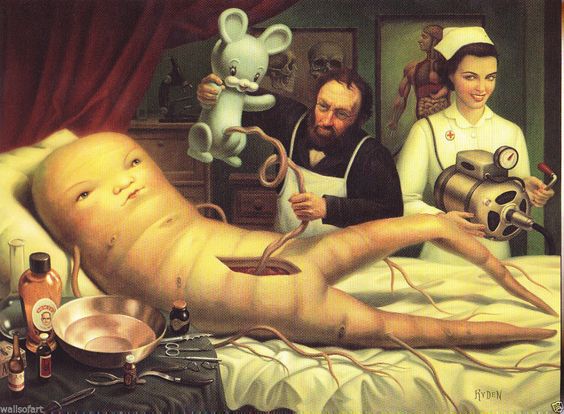
Here’s where it gets delicious: the art world tried to ignore Lowbrow for decades, dismissing it as commercial kitsch or illustration rather than “real” art. But you can only ignore a tidal wave for so long before it soaks your expensive shoes. Artists like Mark Ryden, with his haunting, wide-eyed children surrounded by meat, and Camille Rose Garcia’s apocalyptic fairy tales began to command high prices. Suddenly, collectors who wouldn’t touch anything without a gallery pedigree were dropping thousands on paintings featuring anthropomorphic hot dogs and melancholic clowns. The joke was on the gatekeepers all along.
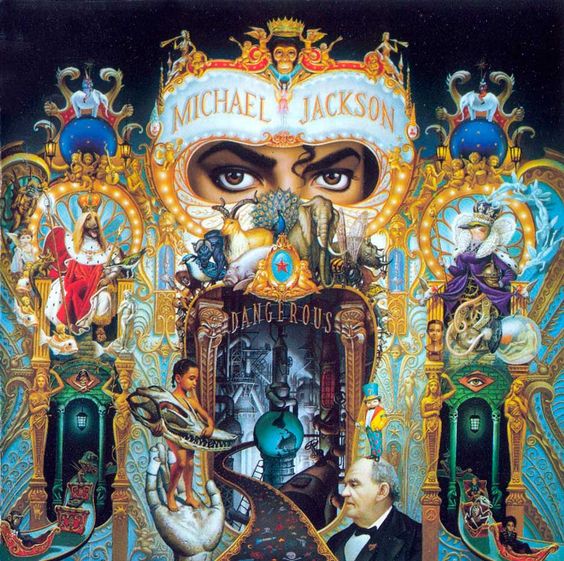
“Something dead in the street commands more measured units of visual investigation than 100 Mona Lisas!” —Robert Williams
The Beautiful Chaos Continues
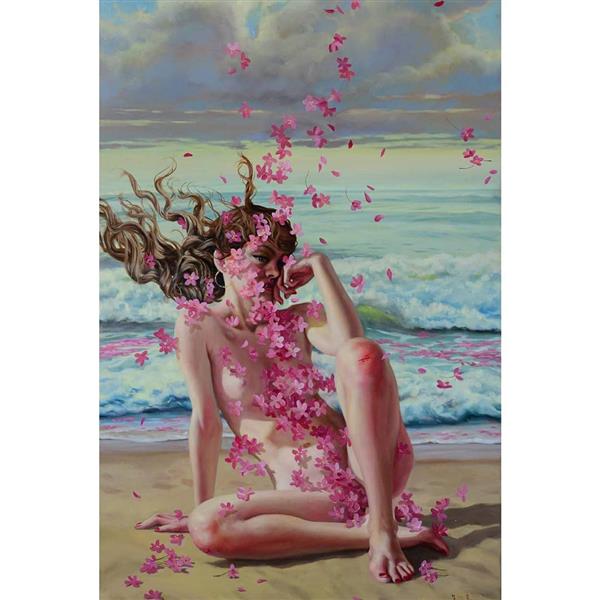
Today, Lowbrow has evolved into Pop Surrealism, spawning countless subgenres and inspiring a new generation of artists who blur the lines between street art, illustration, and fine art. From Audrey Kawasaki’s delicate wood panel paintings to Gary Baseman’s playfully dark creations, the movement proves that art doesn’t need academic approval to matter. It just needs to connect with people, whether that’s through humor, nostalgia, rebellion, or sheer visual impact.
Join the Revolution (Your Inner Weirdo Will Thank You)
Ready to dive into the gloriously bizarre world of Lowbrow art? Start by following contemporary Pop Surrealism artists on Instagram, visit galleries that champion the movement, or better yet, pick up a copy of Hi-Fructose Magazine and see what has been inspired by this whole beautiful mess. Whether you’re a collector, creator, or just someone tired of art that requires a PhD to appreciate, Lowbrow welcomes you with open, possibly tentacled, arms. Remember: the best art doesn’t ask permission, it just shows up and refuses to leave.
Looking to explore more art genres? Head over to JoeLatimer.com for a multidisciplinary, visually stunning experience. ☮️♥️🎨
Enjoy this blog? Please help spread the word via: