

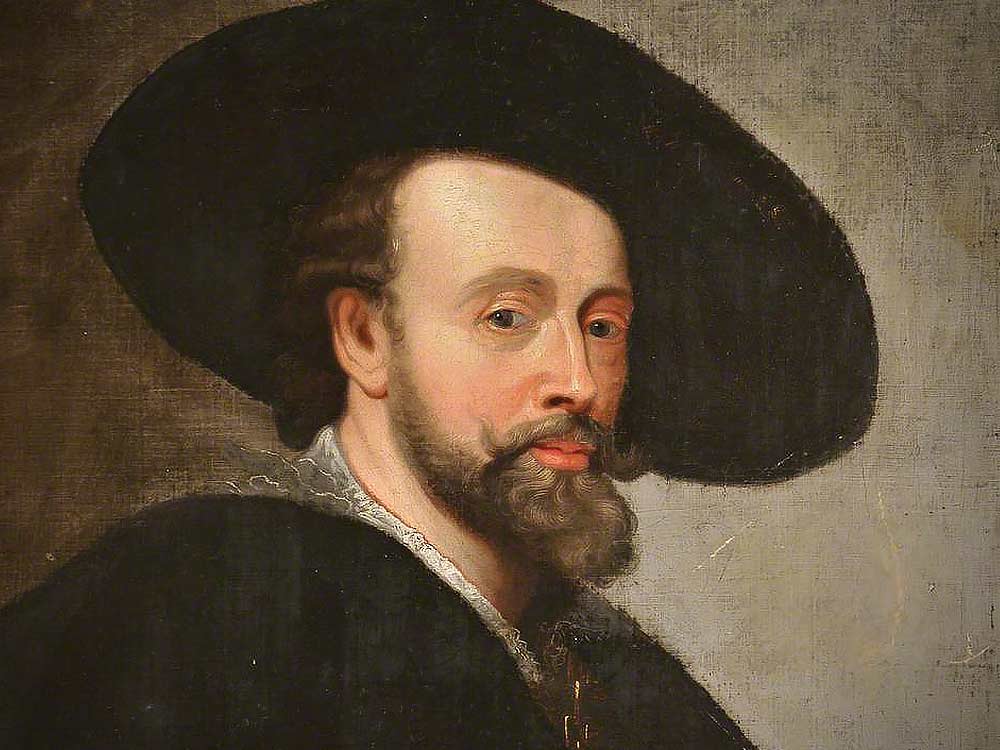
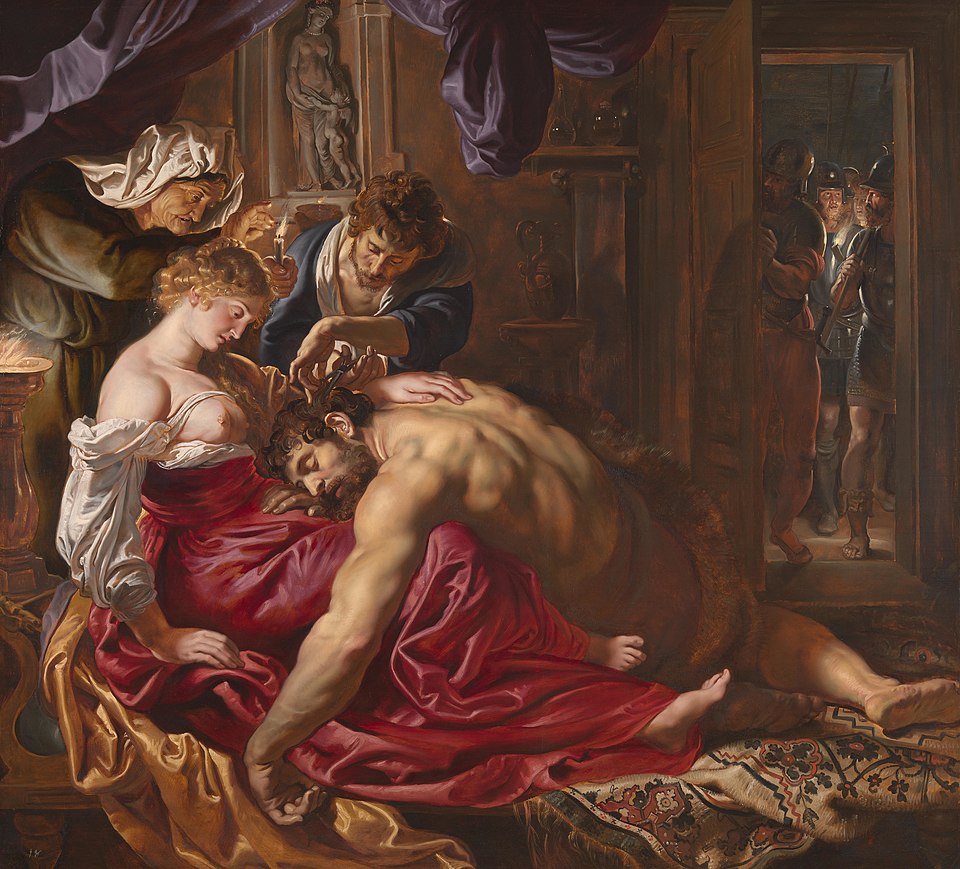
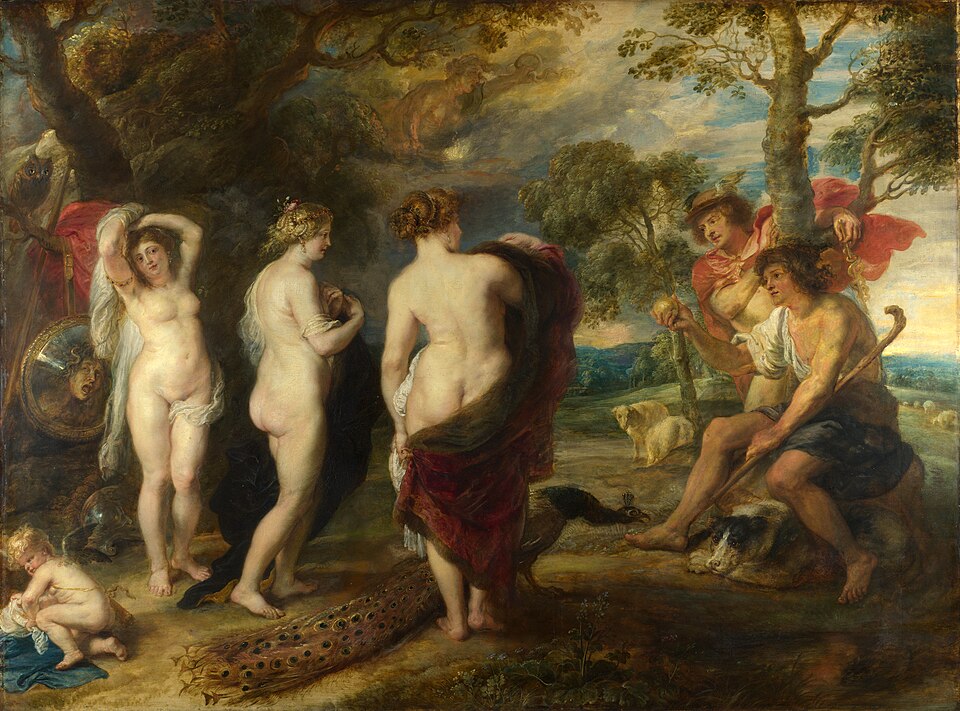
Let’s talk about Peter Paul Rubens, the 17th-century Flemish painter who basically invented the concept of “doing too much” when flesh met canvas (everyone lost their minds) and made it look absolutely glorious. While other artists were carefully dabbing at their canvases, Rubens was running what can only be described as the Renaissance equivalent of a content factory, pumping out massive, flesh-filled masterpieces faster than you can say “chiaroscuro.” (An Italian term meaning ‘light-dark’.) The man didn’t just paint bodies. He painted bodies that looked like they were having the time of their lives being bodies, all rosy cheeks and dimpled thighs and zero concept of what a gym membership was.
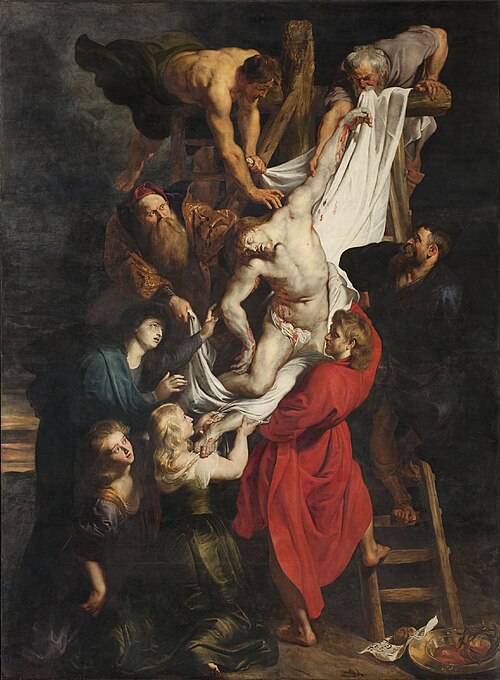
The Ultimate Multi-Hyphenate Before It Was Cool
Here’s what makes Rubens ridiculously impressive: he wasn’t just a painter. This overachiever was simultaneously an artist, diplomat, scholar, linguist (he spoke six languages), and international spy. Yes, spy. While negotiating peace treaties between Spain and England, he was also finding time to crank out ceiling frescoes the size of basketball courts. Imagine if your favorite contemporary artist was also secretly brokering Middle East peace deals while maintaining an Instagram aesthetic. That’s Rubens’ energy. He had a workshop with assistants who would block out his compositions while he swooped in for the final touches, like a Baroque-era creative director with absolutely no chill.
“Every child has the spirit of creation. The rubbish of life often exterminates the spirit through plague and a souls own wretchedness.” — Peter Paul Rubens
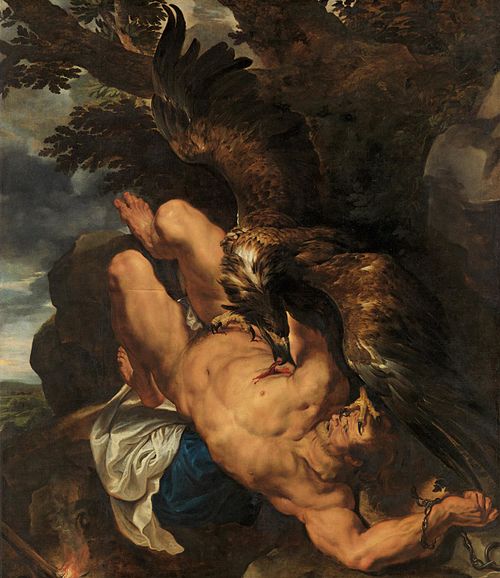
Why Everyone Wanted a Rubens (Besides the Obvious)
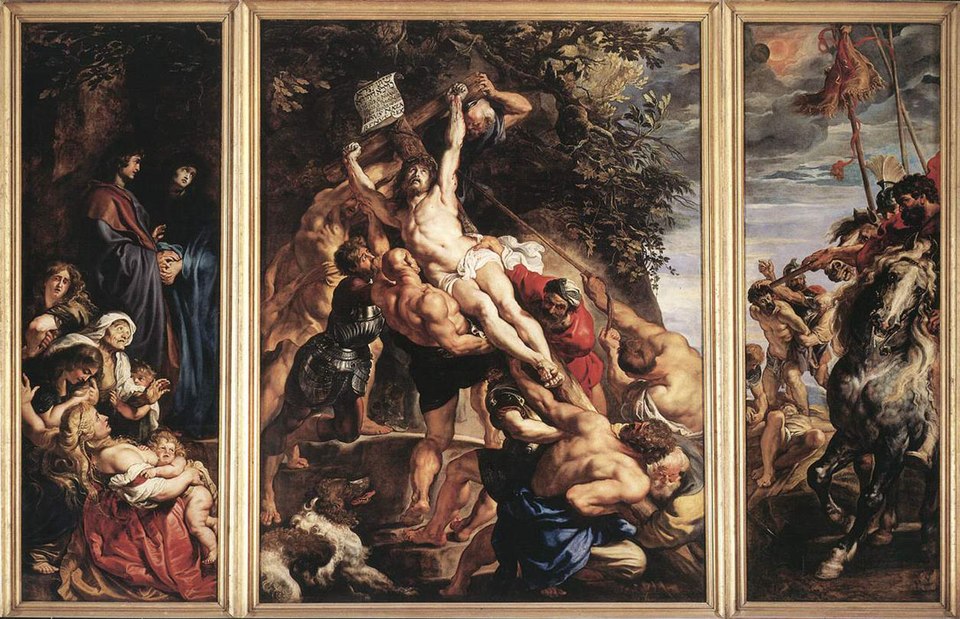
Rubens became the must-have artist for every European royal court, and honestly, who could blame them? His paintings were basically the opposite of minimalism: maximum drama, maximum color, maximum flesh, maximum everything. Kings and queens commissioned him because his work screamed power, wealth, and “I have impeccable taste and also a lot of money.” His paintings of mythological scenes weren’t just pretty pictures. They were complex allegorical statements wrapped in velvet and served with a side of anatomically generous nymphs. The Council of Trent wanted emotionally engaging religious art? Rubens delivered crucifixions so dramatic they could make atheists weep.
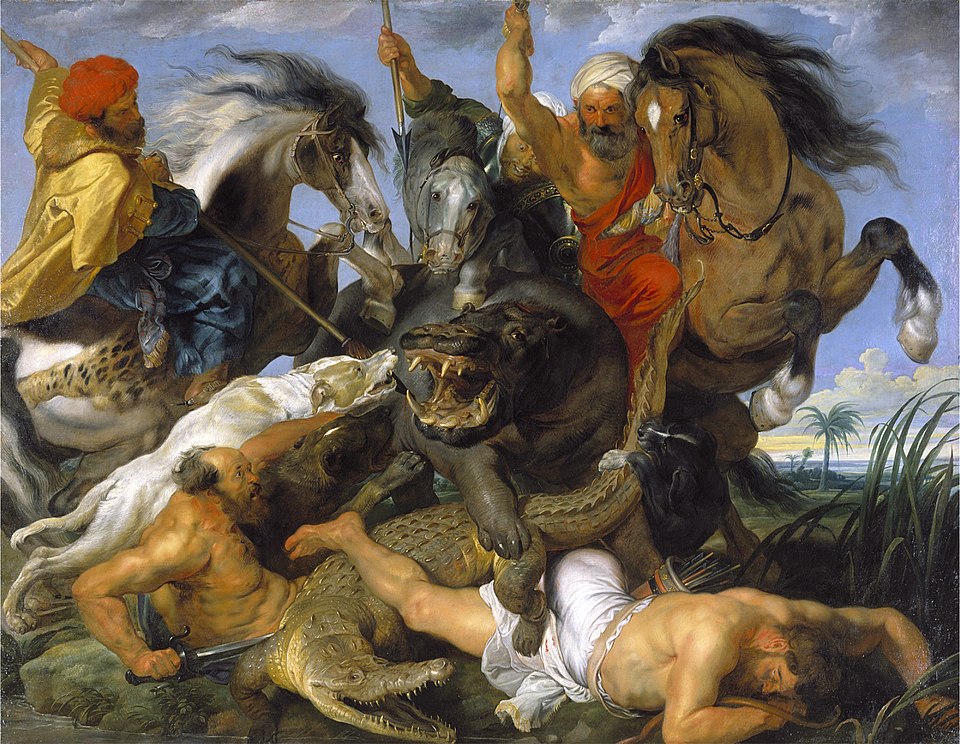
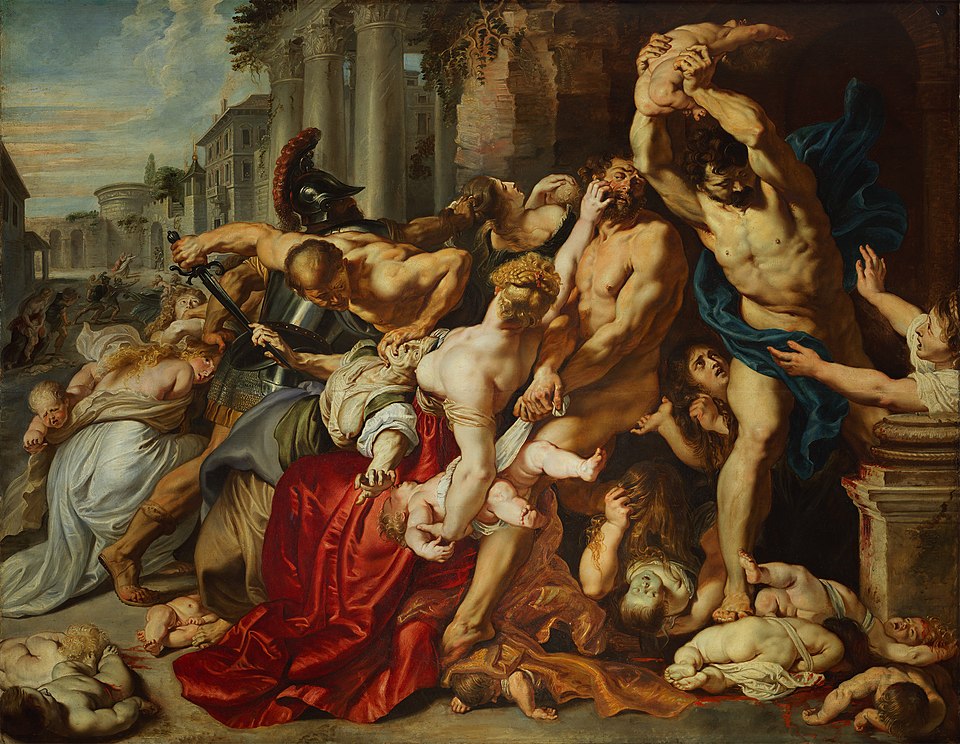
The Rubenesque Legacy That Won’t Quit
Today, we still use the word “Rubenesque” to describe full-figured beauty, which is perhaps the ultimate compliment: your aesthetic became an adjective. However, Rubens’ influence extends far beyond body positivity. His dynamic compositions, dramatic lighting, and energetic brushwork influenced everyone from Delacroix to Renoir. Modern artists still study his ability to make fabric look more alive than most people’s personalities. He proved that commercial success and artistic genius aren’t mutually exclusive, that you can work with assistants and still be authentic, and that bigger is often better when it comes to Baroque ceilings.
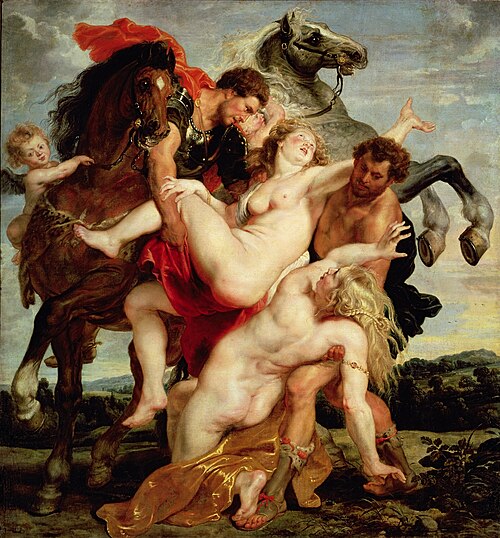
Get Your Rubens Education (Your Eyes Will Thank You)
Ready to dive into the wild, fleshy, absolutely extra world of Rubens? Start by visiting major museums like the Prado, the Louvre, or the Rubens House in Antwerp to see his work in person, because reproductions simply cannot capture the scale and texture. Follow art historians who specialize in Baroque art on social media, or fall down a YouTube rabbit hole of documentaries about his diplomatic adventures. Whether you’re an artist looking for compositional inspiration or just someone who appreciates art that commits fully to its vision, Rubens has something to teach you. Remember: subtlety is overrated, and sometimes more really is more.
Looking to explore more art genres? Head over to Joe Latimer.com for a multidisciplinary, visually stunning experience. ☮️♥️🎨
Enjoy this blog? Please help spread the word via: