

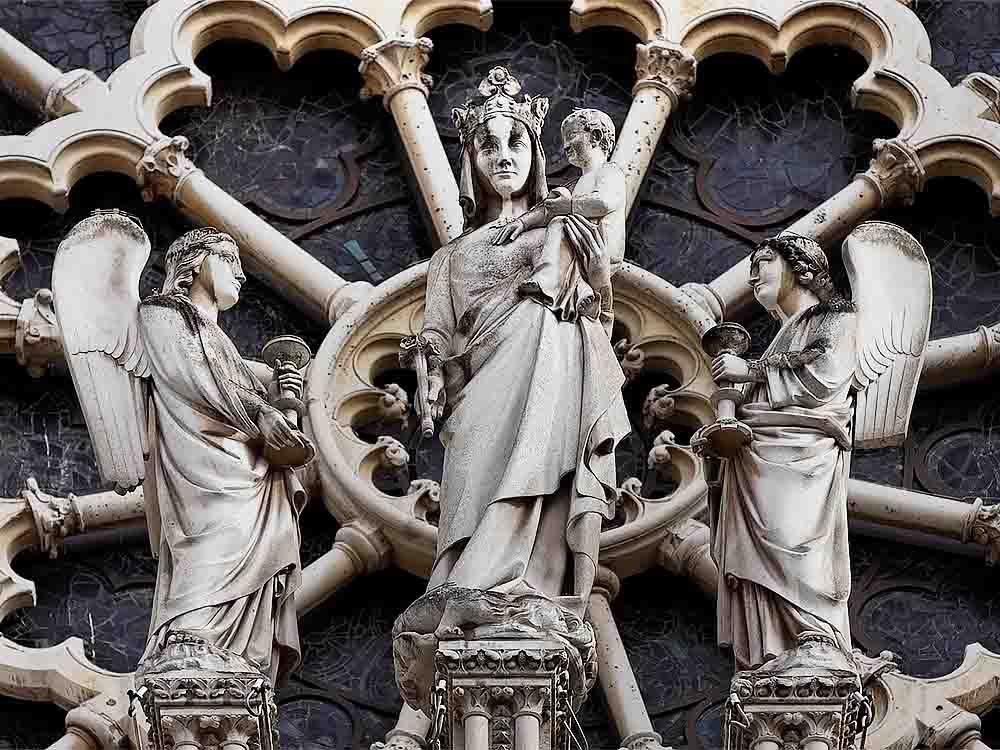
Let’s clear something up immediately: the original goths had nothing to do with eyeliner. Gothic art has absolutely nothing to do with teenagers wearing black lipstick and listening to The Cure. This Gothic movement emerged around 1150 CE in France and lasted until the Renaissance showed up fashionably late around 1500. The style got its name from Renaissance critics who thought it was barbaric and attributed it to the Goths who sacked Rome, which is basically the art history equivalent of your parents not understanding your music.
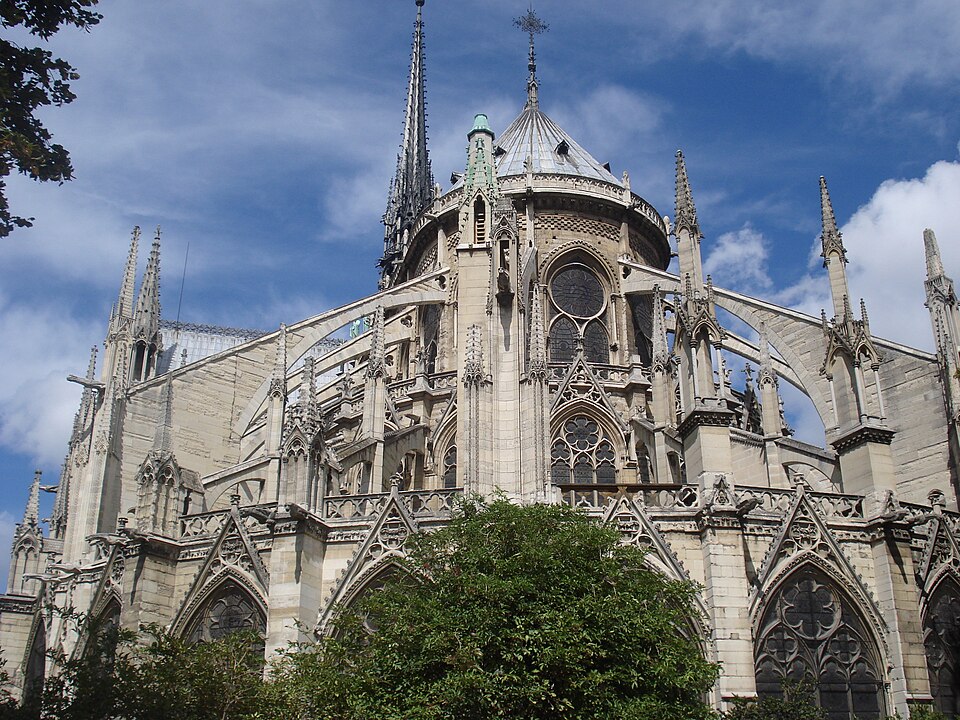
Turns out, those “barbarian” medieval folks were creating some of the most technically ambitious, spiritually transcendent, and vertically obsessed art and architecture the world had ever seen. They looked at Romanesque buildings with their thick walls and tiny windows and said, “What if we made churches so tall they literally seem to touch heaven and filled them with enough stained glass to bankrupt a kingdom?”

When Architecture Learned to Defy Gravity (Sort Of)
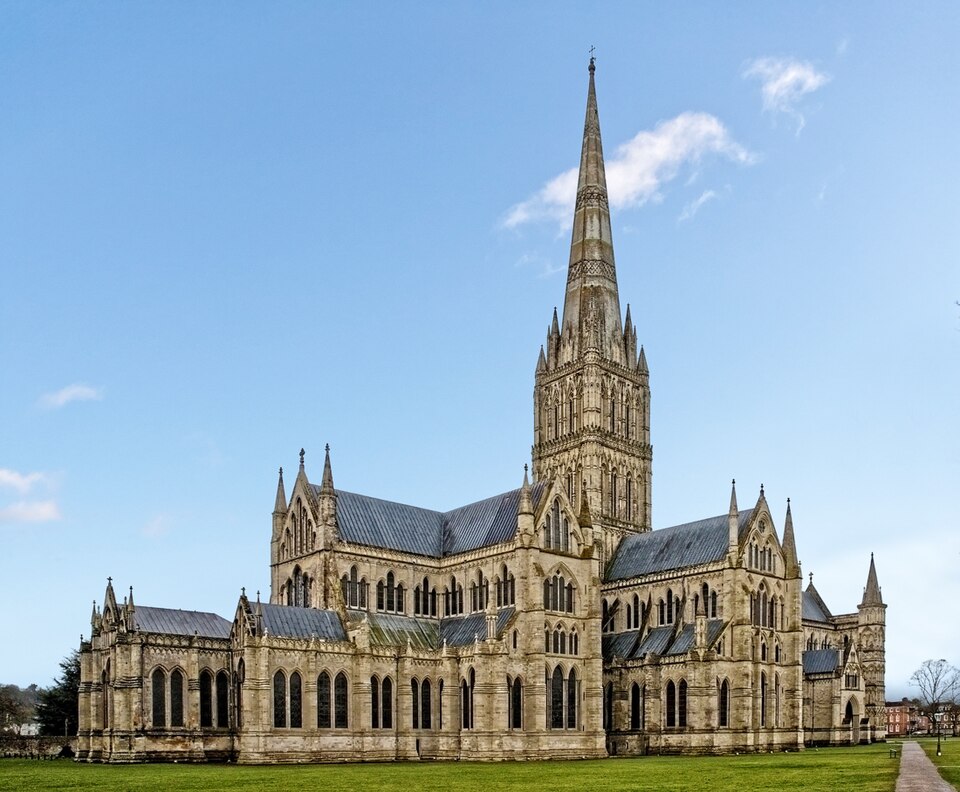
Gothic architecture is essentially medieval engineers flexing as hard as humanly possible with the technology available. The pointed arch, ribbed vault, and flying buttress weren’t just aesthetic choices. They were structural innovations that allowed buildings to soar to absolutely bonkers heights while keeping the walls thin enough to fit them full of stained-glass windows.

Notre-Dame de Paris, Chartres Cathedral, and Cologne Cathedral are basically stone and glass rockets aimed at the sky, with every surface covered in sculpture, carvings, and architectural details that would take teams of craftspeople decades to complete. And those gargoyles? They’re actually functional water spouts designed to keep rainwater from eroding the building, which means medieval architects made even their plumbing decorative. That’s commitment to aesthetics.
Stained Glass Windows: Medieval Instagram Before Electricity
Gothic cathedrals pioneered immersive multimedia experiences centuries before anyone invented the term. Stained glass windows weren’t just pretty. They were Instagram stories for an illiterate population, telling biblical narratives through color and light in a way that made every church visit feel like stepping into a jewel box designed by someone who really, really loved blue.
The rose windows at Chartres and Sainte-Chapelle in Paris are so breathtaking that they’ve made grown adults weep. These windows transformed natural light into something mystical and divine, which was exactly the point. The Church wanted people to feel small, awed, and connected to something transcendent, and Gothic architecture delivered that experience with zero subtlety.

Manuscripts, Altarpieces, and Really Elaborate Gold Leaf
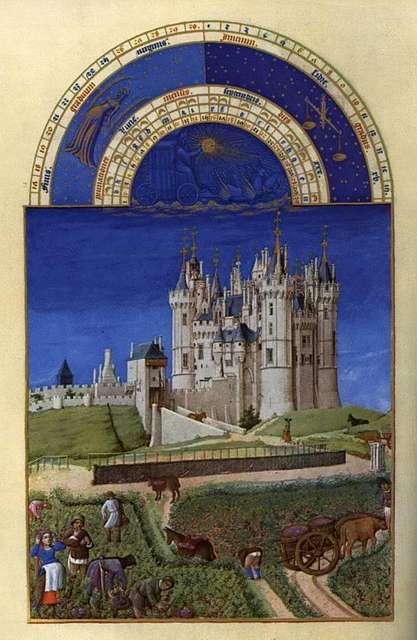
Gothic art wasn’t just about architecture. Illuminated manuscripts became increasingly elaborate, with margins filled with bizarre hybrid creatures, jokes, and grotesques that suggest medieval monks had very weird senses of humor. Panel paintings and altarpieces featured elongated figures with delicate features, flowing drapery, and enough gold leaf to fund a small country. Artists like Duccio, Giotto, and the Limbourg brothers created works that balanced spiritual devotion with increasing naturalism, laying the groundwork for the Renaissance while maintaining that distinctive Gothic elegance and otherworldly quality.
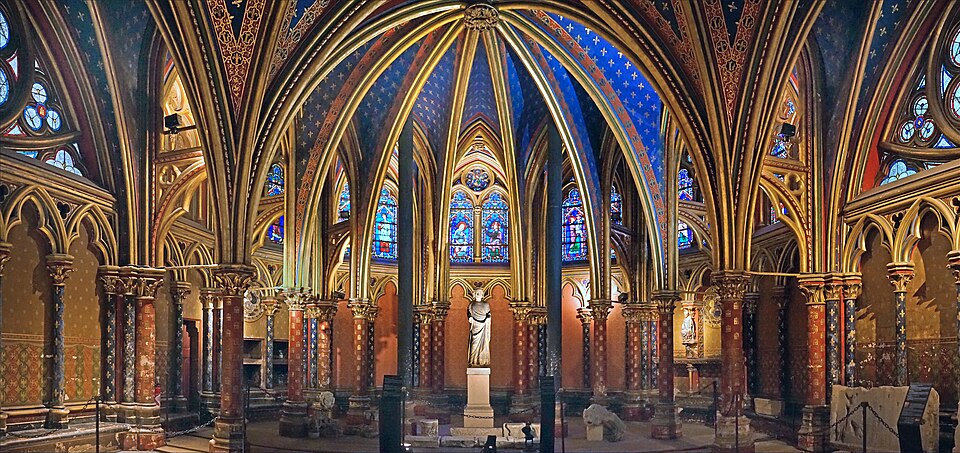
Experience the Vertical Sublime (Neck Pain Included)
Ready to understand why Gothic cathedrals still take your breath away? Visit Notre-Dame de Paris (post-restoration), Chartres Cathedral, or any major Gothic cathedral in Europe to experience the soaring spaces and stained glass in person. Study how contemporary architects still borrow Gothic structural principles for modern skyscrapers.

Watch how light transforms these spaces throughout the day. Whether you’re spiritually inclined or just appreciate buildings that seem to defy physics, Gothic art offers an unforgettable lesson in ambition, craft, and humanity’s eternal desire to build something that reaches toward the infinite.

Looking to explore more art genres? Head over to Joe Latimer.com for a multidisciplinary, visually stunning experience.
Enjoy this blog? Please help spread the word via: