

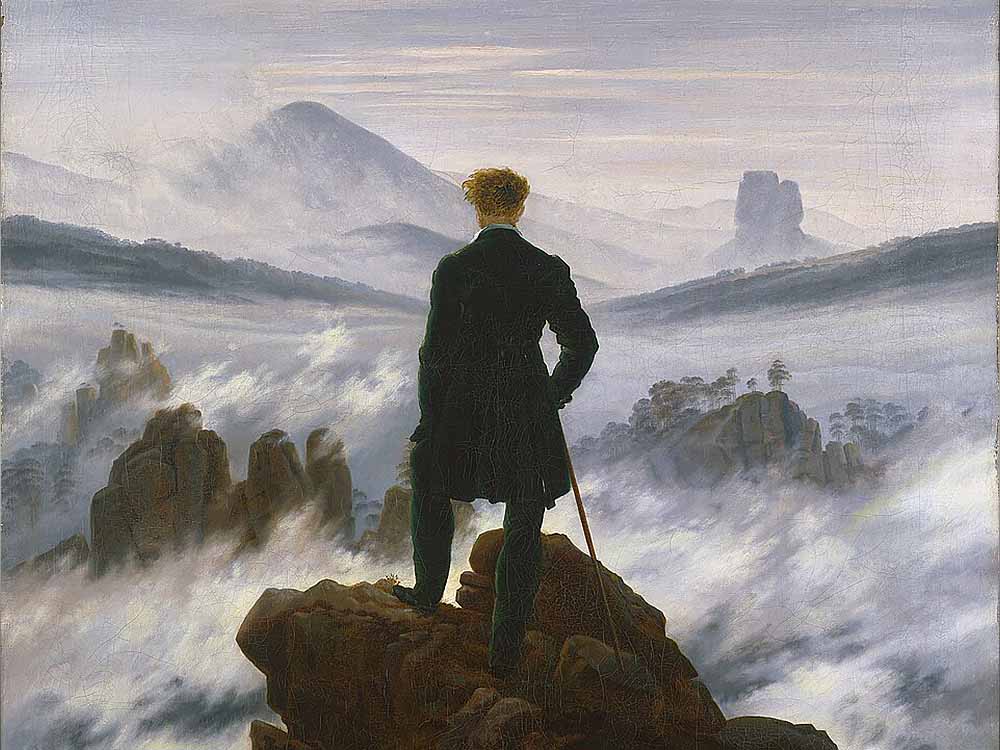
The 19th century’s most theatrical movement gave us stormy seascapes, brooding heroes, and the original main-character energy. Let’s set the scene. It’s the early 1800s. The Industrial Revolution is chugging along, turning everyone into soot-covered automatons, and a group of artists decides the correct response is to paint enormous, terrifying storms and weep openly about nature.
Welcome to Romanticism, the art movement that said “logic? Gross. Feelings? Magnificent.” and proceeded to make some of the most jaw-dropping art in Western history.
What Even Is Romanticism? (No, Not Candles And Roses)
Despite the name, Romanticism has almost nothing to do with romance, unless you count being deeply, passionately in love with a violent thunderstorm over the Alps. The movement, which swept Europe from roughly 1780 to 1850, was a full-throated rebellion against Enlightenment rationalism.
Where the previous era worshipped reason and order, the Romantics worshipped emotion, individualism, the sublime, and the raw, untamed power of nature. Think less spreadsheet, more existential crisis on a mountaintop.
“Romanticism is precisely situated neither in choice of subject nor exact truth, but in the way of feeling.”
— Charles Baudelaire, Salon of 1846, published in Paris, 1846. Baudelaire was one of the most incisive critics of the Romantic era and a pivotal bridge between Romanticism and Symbolism.
The Og Main Characters: Artists Who Gave Absolutely Everything
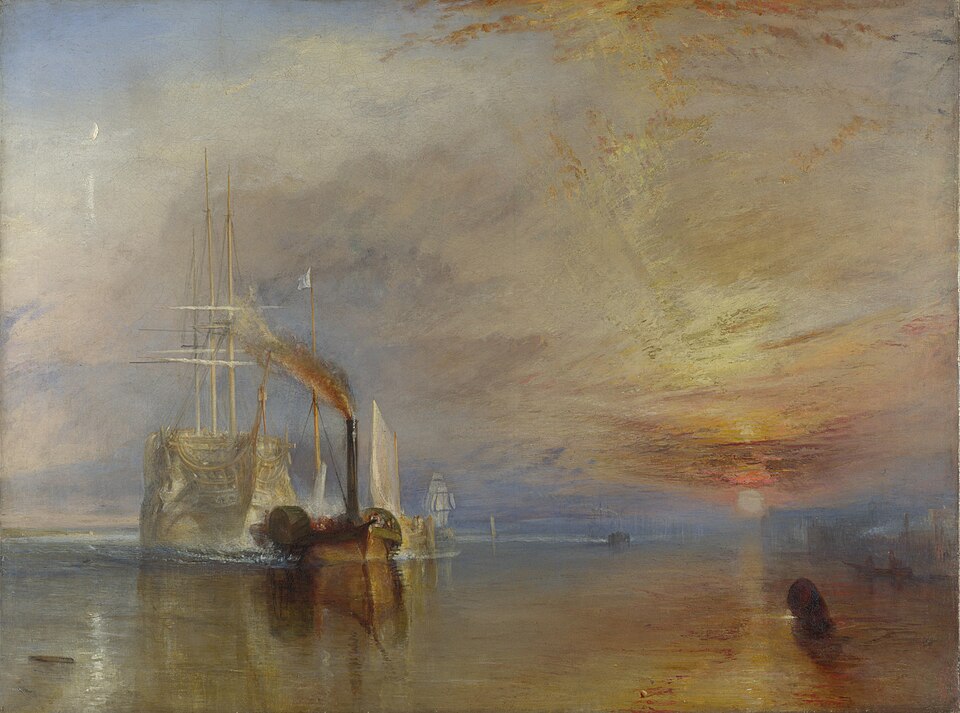
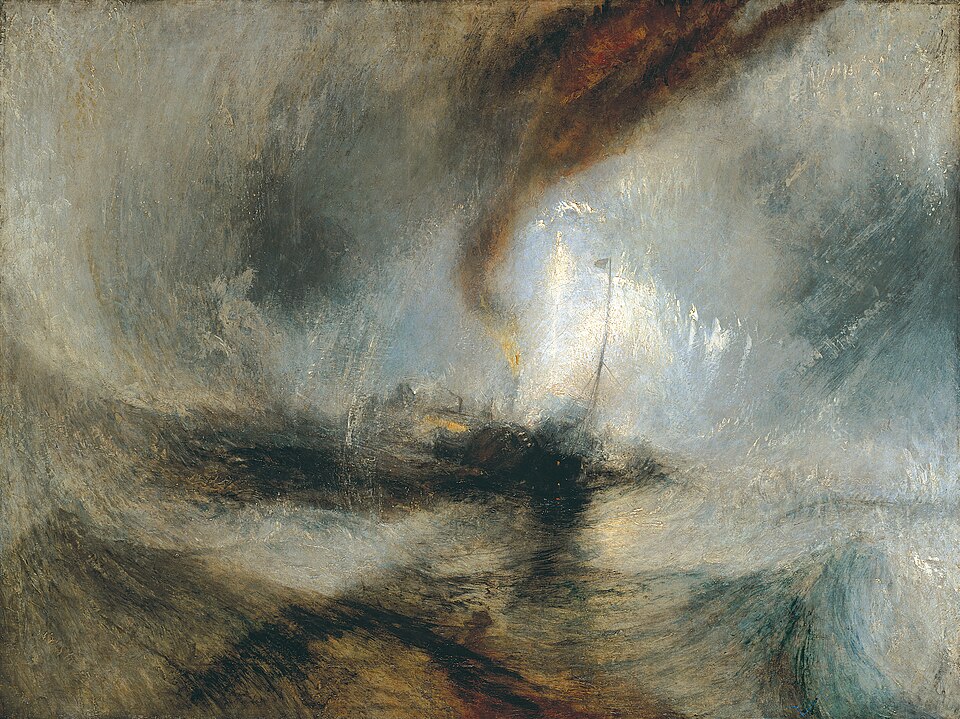
Caspar David Friedrich painted tiny human figures dwarfed by colossal, mist-shrouded landscapes, essentially pioneering the “I am but a small anxious person in an indifferent universe” aesthetic that still dominates Instagram. J.M.W. Turner dissolved ships into maelstroms of light and fury so abstract that critics called him “the painter of nothing.”
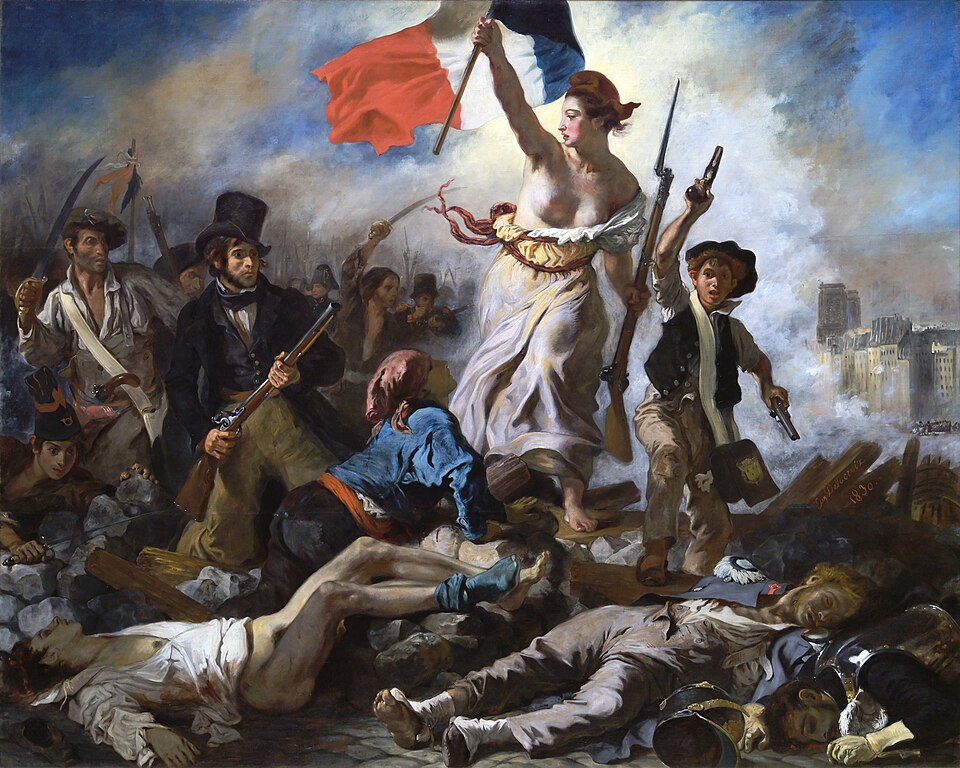
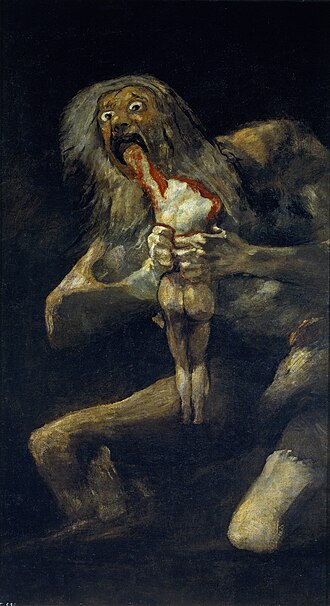
Eugène Delacroix painted Liberty Leading the People with such operatic intensity that you can practically smell the gunpowder. Francisco Goya, meanwhile, went full chaos goblin and gave us Saturn Devouring His Son, a painting so unhinged it makes modern horror movies look like a Pixar short.
“There is no excellent beauty that hath not some strangeness in the proportion.”
— Francis Bacon, Essays: Of Beauty, 1625
Why Romanticism Still Hits Different In 2026
Here’s the thing: Romanticism was born from crisis, political revolution, rapid industrialization, and the terrifying feeling that the world was changing faster than anyone could process. Sound familiar? The movement’s obsession with authentic emotional experience, with nature as both refuge and nemesis, with the solitary individual confronting an overwhelming world, is basically the aesthetic handbook for our current cultural moment.
Every moody cabin-core photo, every dramatic solo hiking reel, every “I went to the mountains to find myself” caption owes a debt to Friedrich and company. Romanticism was the original cottagecore, the original dark academia, the original everything, and it did it wearing a cravat.
“The artist should not only paint what he sees before him, but also what he sees within himself. If he sees nothing within himself, then he should also refrain from painting what he sees before him.”
— Caspar David Friedrich, the towering master of German Romantic landscape painting, c. early 19th century.
The Drama, The Scandal, The Absolute Unhinged Energy
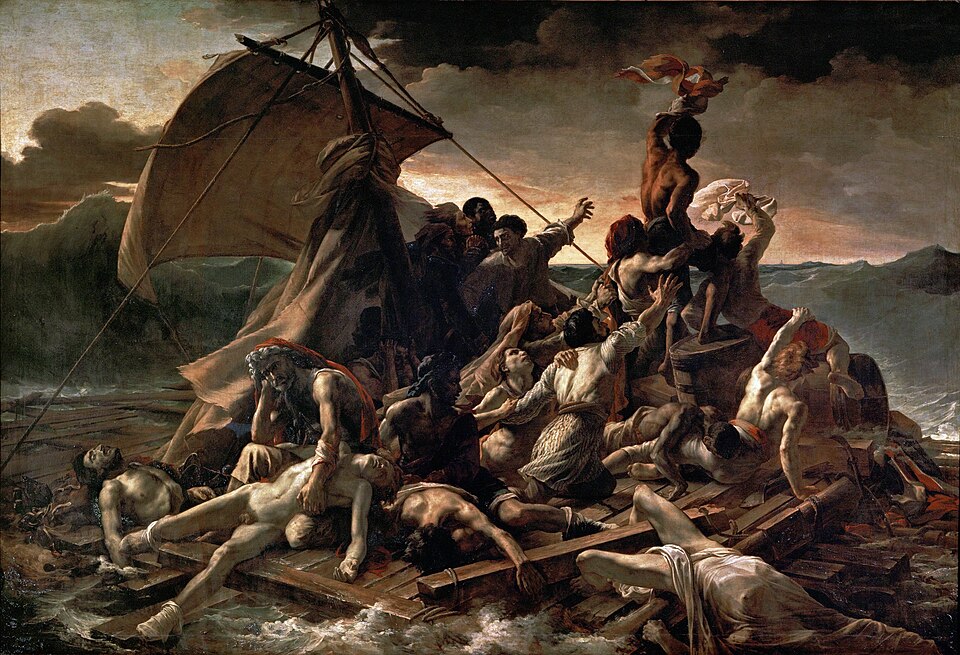
Let us not overlook the sheer theatrical audacity of this movement. Théodore Géricault painted The Raft of the Medusa, a scene of shipwreck survivors in states of starvation, madness, and death, at a scale so massive it barely fit in his studio, then basically had a mental breakdown while making it.
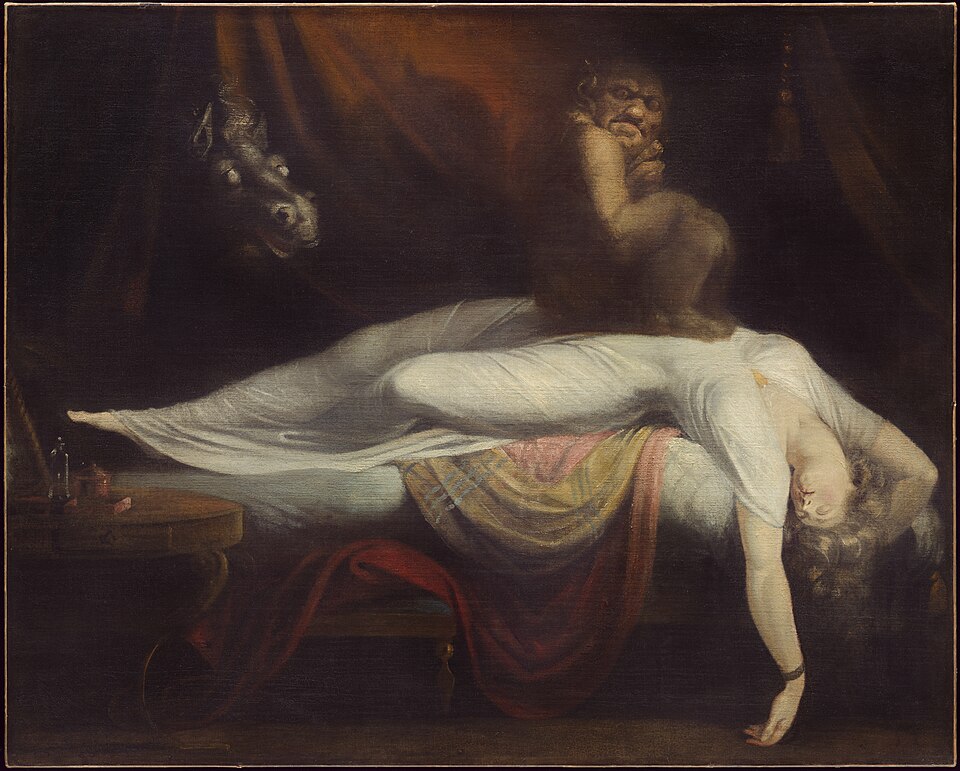
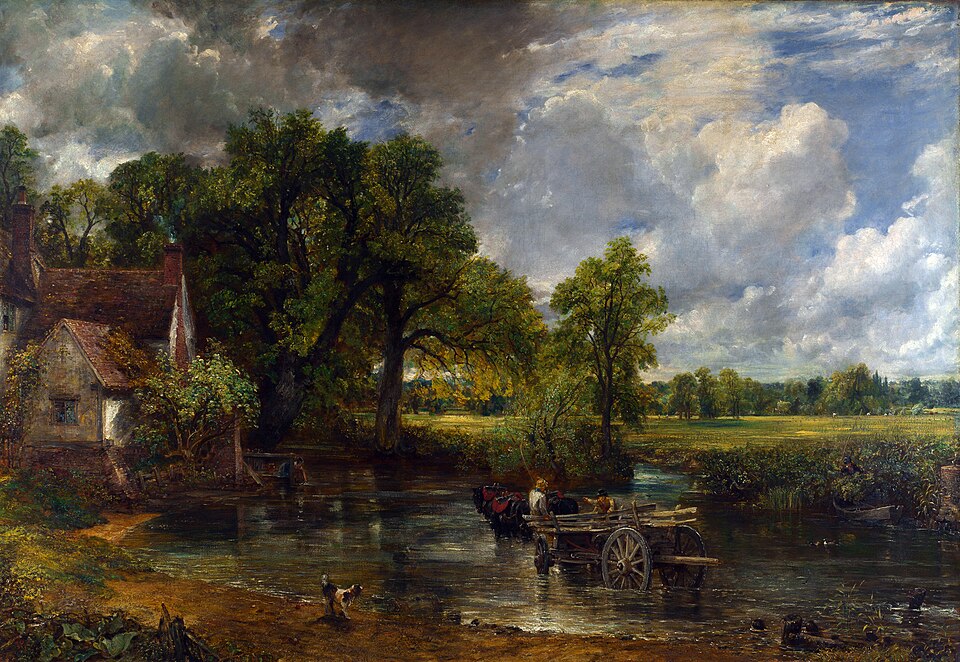
Henry Fuseli gave us The Nightmare, which is just a demon sitting on a sleeping woman’s chest while a horse peers through the curtains, and nobody blinked. John Constable painted clouds with such obsessive scientific precision that he kept detailed weather diaries. These were not chill people. These were people who felt things so intensely they had to build enormous canvases just to contain them.
Looking to explore more art genres? Head over to Joe Latimer.com for a multidisciplinary, visually stunning experience.
Enjoy this blog? Please help spread the word via: