

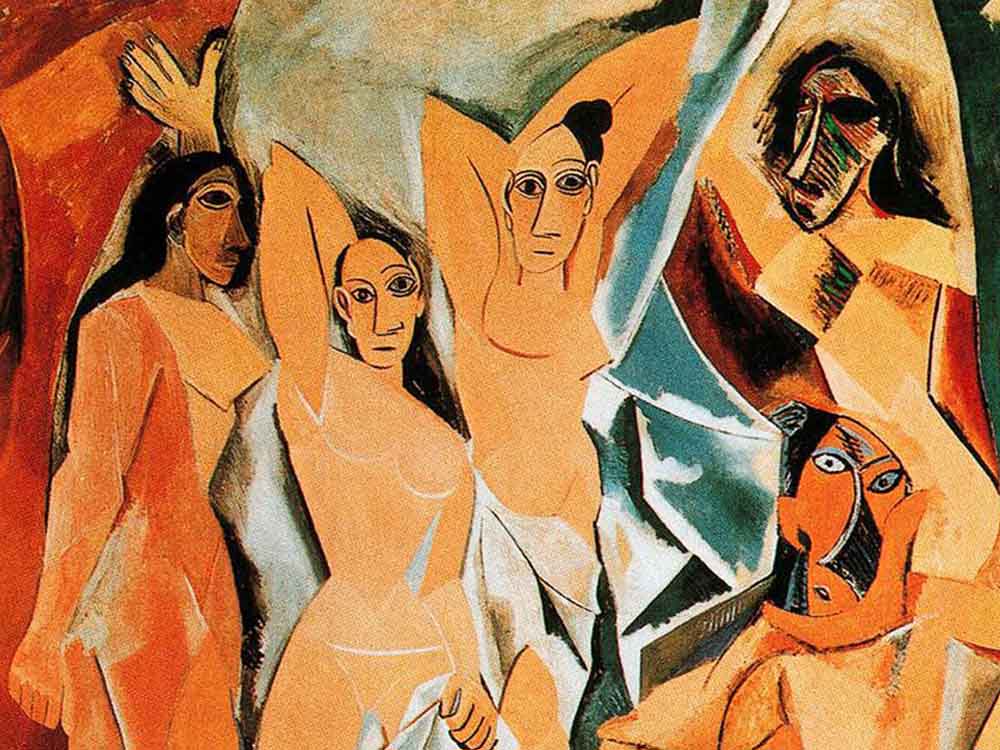
The Great “What Even Is Reality?” Experiment. Imagine waking up one day in the late 1800s and deciding that everything everyone had been painting for the last 500 years was boring and wrong. That’s basically Modernism in a nutshell. This wasn’t just one art movement but a whole chaotic umbrella of revolutionary styles that said: “perspective is dead, realism is overrated, and we’re going to paint emotions, concepts, and shapes that make absolutely no logical sense.”
From Impressionism’s fuzzy light obsessions to Cubism’s geometric fever dreams to Abstract Expressionism’s paint-flinging therapy sessions, Modernism was art’s way of processing a world being torn apart and rebuilt by industrialization, world wars, and rapid technological change. Artists collectively looked at traditional techniques and said, “Thanks, but we’re going to deconstruct reality now.”
“Modernism means integrity; it means honesty; it means the absence of sentimentality and the absence of nostalgia; it means simplicity; it means clarity.”
— Paul Rand
When Painting Got Philosophical (And Confusing)
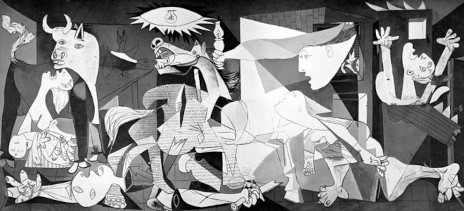
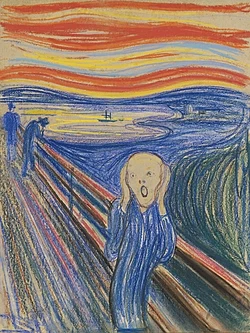
Modernism wasn’t just about making pretty pictures that looked different. These artists were asking deep, existential questions like “what is art?” and “does representation even matter?” and “what if we just painted our feelings as violent slashes of color?” Picasso shattered faces into geometric planes. Kandinsky eliminated recognizable objects and painted pure emotion through color and form.
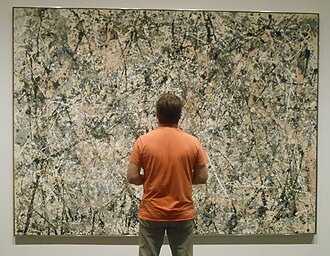
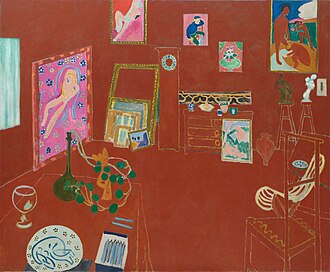
Matisse cut out shapes like a kindergartener with an art degree and somehow created masterpieces. The movement gave us everything from Monet’s water lilies dissolving into pure light to Pollock dripping paint like a caffeinated spider to Rothko’s color fields that somehow make people weep in museums. Modernism was essentially a century-long argument about what art could be, and every artist had a different answer.
Function Follows Form (And Everyone Has Opinions)
The Modernist obsession with “truth to materials” and “form follows function” didn’t just transform painting and sculpture. It revolutionized architecture, design, furniture, and basically everything visual in the 20th century. The Bauhaus school decided that art, craft, and design should merge into sleek, functional objects stripped of unnecessary decoration.
“Art becomes so specialized as to be comprehensible only to artists, and they complain bitterly of public indifference to their work.”
— Wassily Kandinsky
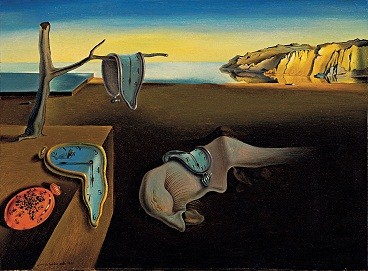
Suddenly, everyone wanted clean lines, geometric shapes, and buildings made of glass and steel that looked like they were designed by very serious people who didn’t believe in fun. Meanwhile, the Surrealists were over in the corner painting melting clocks and eyeballs on legs, proving that even within Modernism, there was zero consensus about anything.

Why Your Apartment Looks Like That
Here’s the thing: you’re living in Modernism’s world whether you know it or not. That minimalist aesthetic everyone’s obsessed with? Modernism. The idea that “less is more”? Modernism. The notion that art should challenge you instead of just looking pretty? Modernism.
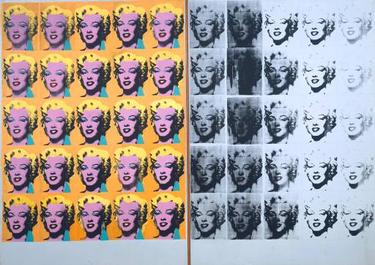
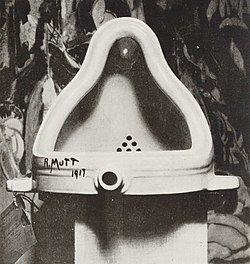
Open floor plans, sans-serif fonts, abstract corporate logos, the entire concept of “design” as we know it? All Modernism babies. Contemporary art literally cannot exist without Modernism breaking down every traditional boundary first. These artists gave future generations permission to do whatever they wanted, which is both liberating and why we sometimes see bananas duct-taped to walls in galleries.
Dive Into the Revolution (Your Perspective Will Never Recover)
Ready to understand why modern art looks the way it does? Start by visiting major modern art museums like MoMA, Tate Modern, or the Centre Pompidou to see the movement’s greatest hits in person. Read manifestos from different movements to understand their wildly different philosophies. Take an art history course, or fall down YouTube rabbit holes about specific artists. Whether you love it or hate it, Modernism fundamentally changed how we see, create, and think about art. Engage with it, argue with it, let it confuse you. That’s exactly what it was designed to do.
Looking to explore more art genres? Head over to Joe Latimer.com for a multidisciplinary, visually stunning experience. ☮️♥️🎨
Enjoy this blog? Please help spread the word via: